Published
Oct. 24, 2023 3:17 PM
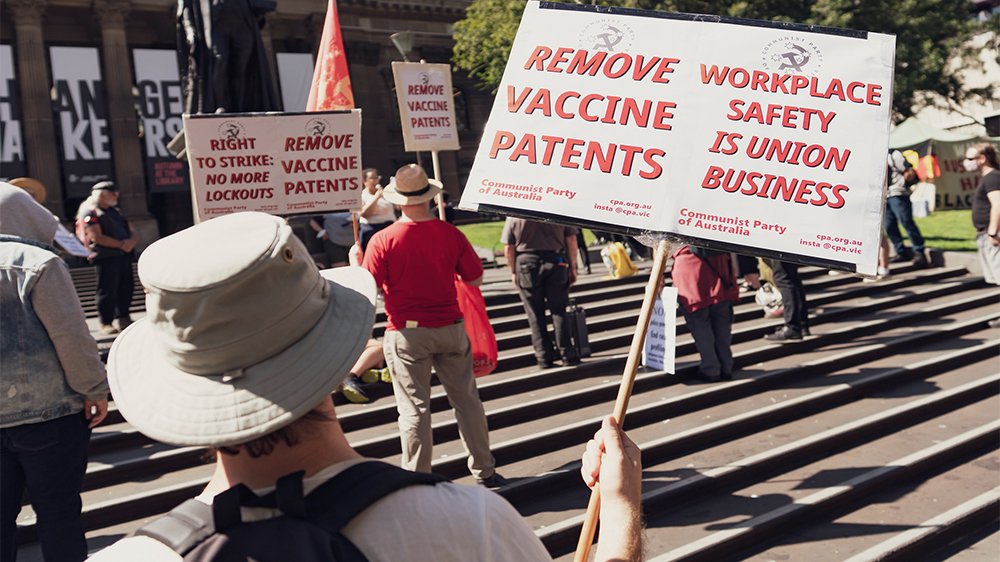
Collective member Deborah Gleeson highlights the barriers that intellectual property rights (IPRs) present in pandemic response.
Collective member Deborah Gleeson highlights the barriers that intellectual property rights (IPRs) present in pandemic response.
In this invited guest blog, Carolina Salgado discusses the power hierarchies that historically operate in global health and invites us to join her and other Latin American social scientists in practicing epistemic disobedience to Eurocentrism and ethnocentrism through a decolonial grammar.
What must be overturned to decolonize human rights? This was the topic of a conversation between Collective members in April.
The failure of global cooperation during the pandemic and the impacts of debt and austerity have heightened the urgency of expanding our understanding of freedom from violence to include structural violence, writes Collective member Alicia Ely Yamin.
Pandemic preparedness should be less about fire-fighting and more about building resilient public health systems. Here we have a lot to learn from countries in Southeast and East Asia, argues Collective member Manjari Mahajan.
To achieve universal health coverage, a country needs sustained long-term financing to ensure equitable access to high-quality, affordable healthcare. In this blog, Collective member Jomo Kwame Sundaram shows how publicly provided healthcare is the best option compared to market solutions and argues that it should be an entitlement regardless of means.
Collective member Susan Sell reflects on some of the features of contemporary capitalism that the COVID-19 pandemic laid bare, including monopoly dominance of intellectual property owners, labour precarity and structural racism.
In this blog, Collective member Remco van de Pas reflects on the capitalist and colonial academic publishing ‘machine’ that we have entrusted to make knowledge available to the world.
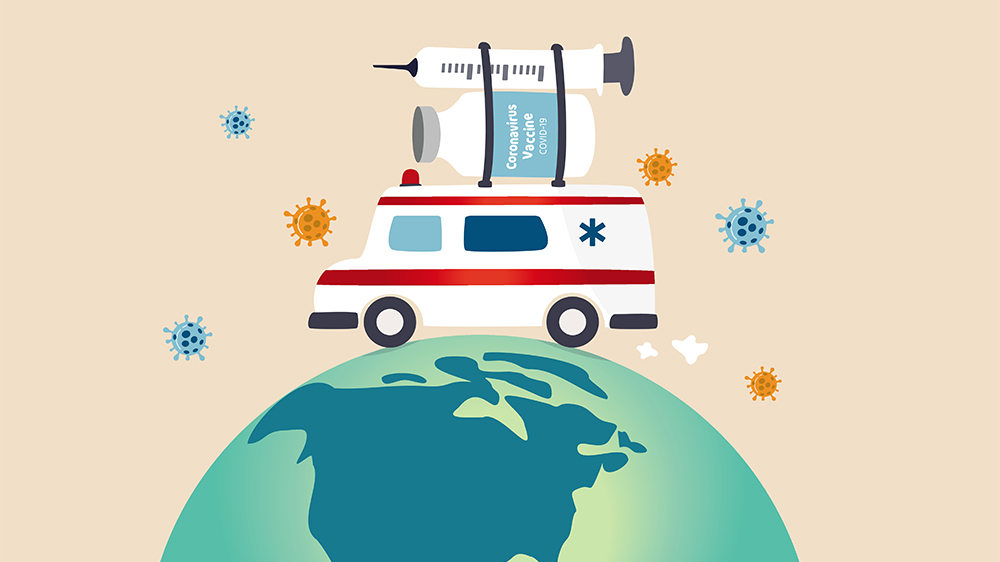
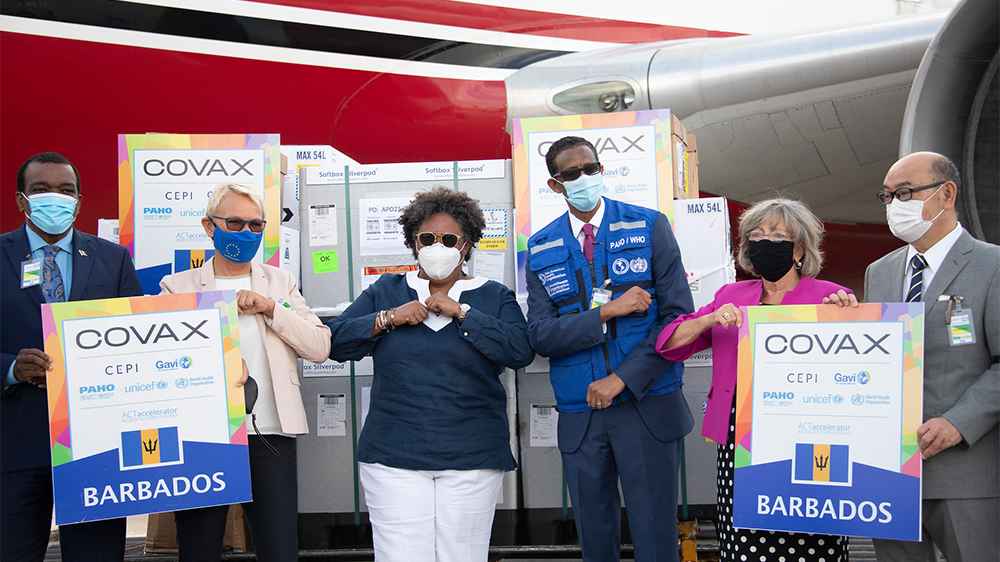
The covid-19 pandemic has highlighted the need for globally equitable vaccine access. Building on previous analyses of COVAX’s vaccine donation efforts, we highlight six steps that can be taken today to improve vaccine sharing in future pandemics.
Collective member Ted Schrecker explains why the evidence of the questionable human benefits of globalization cannot be ignored.
The decolonization of global health must include the struggle to cancel debt and reject austerity. Collective member James Pfeiffer explains why in this blog post.
In this blog, Collective member Suerie Moon discusses how we can prevent the most powerful countries to be rule-makers, while smaller or less wealthy countries end up as rule-takers, in the development of a new pandemic treaty.
The COVID-19 pandemic exposed the need to strengthen India's public healthcare infrastructure, but the government is rather focusing on digitizing and privatizing the health system.
Collective Co-Director Katerini Storeng presents her top three priorities for a reinvigorated global health research system.
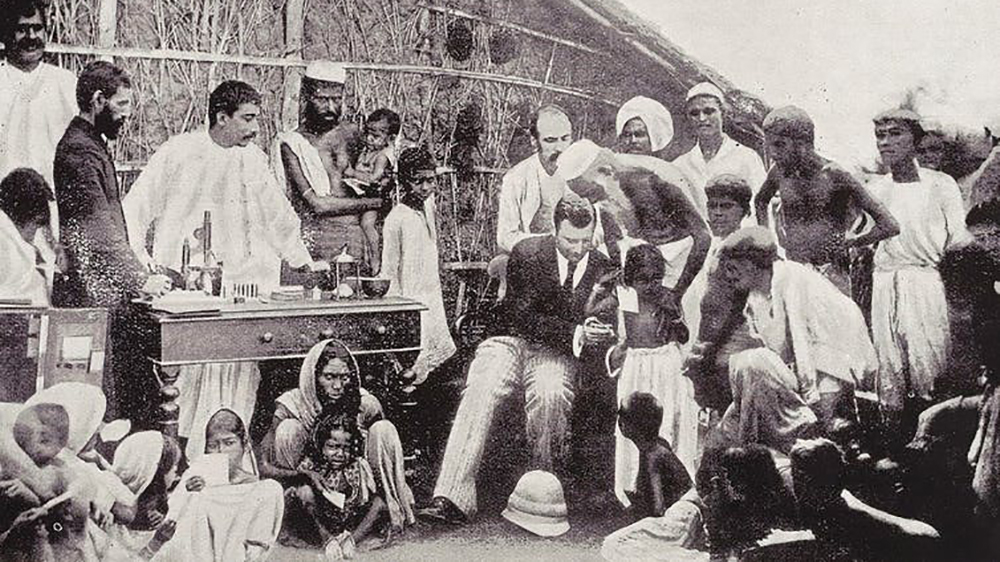
In this blog, Collective member David McCoy discusses how contemporary colonialism in global health can be approached through three intersecting dimensions.
What is government for? When it comes to health, government is there to be boss, according to Collective member Susan Erikson.
The frequently changing and prolonged use of travel measures has been one of the most controversial interventions during the COVID-19 pandemic. How can such measures be used more effectively and what will border management look like in future pandemics?
Global health often focuses on prevention and acute care, but in this blog post, Collective member Naoki Ikegami draws attention to the importance of long-term care.
Research priorities set by funding institutions are steeped in ideology. In this piece, Collective member Ramya Kumar reflects on what these ideologies mean for knowledge production in global health.
Collective member Ilona Kickbusch writes about how the Think7 process supports the German G7 presidency and urges the G7 to fulfill its existing promises in global health, adopt a long-term perspective, and restore the multilateral system’s capacities to deliver global public goods.
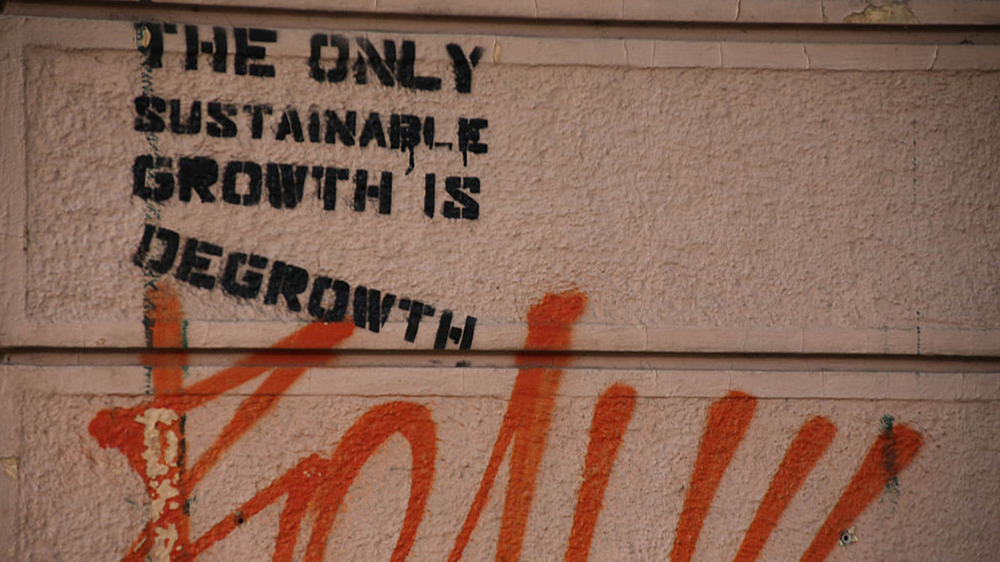
As we leave the acute stage of the pandemic, most governments, banks, and business lobbyists have only one item dominating their agenda, namely growth.
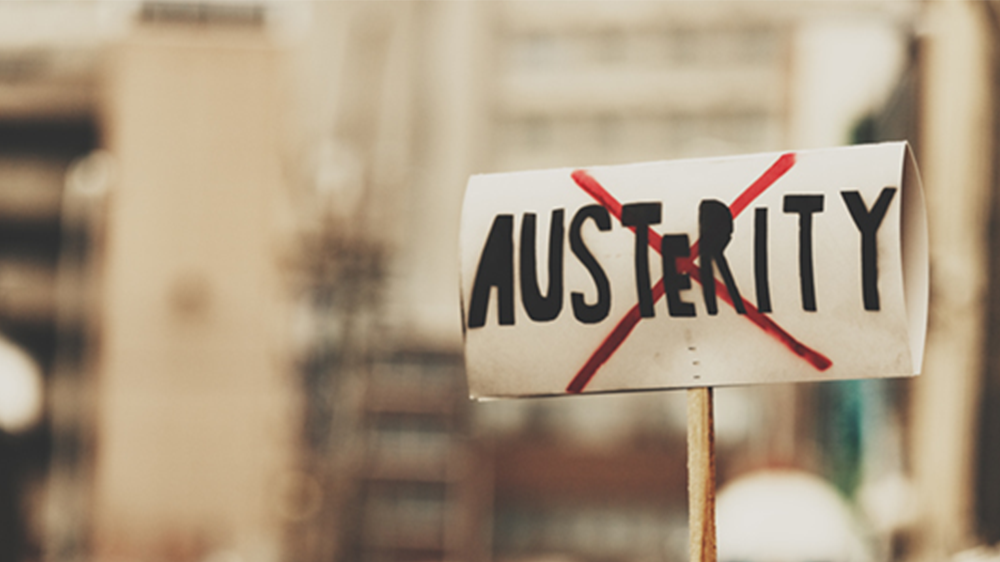
Collective member Alexander Kentikelenis writes about how austerity might threaten past progress in health system strengthening and stunt further development of equitable health policies.
Sierra Leone is a country that thrives on rumors. To increase vaccine uptake among women of childbearing age, Collective member Aisha Fofana Ibrahim highlights the need to develop targeted messages to address rumors around COVID-19 vaccines and infertility.
We urgently need to recognize that prematurely declaring pandemics over endangers all of us and ensures that we remain vulnerable to current and future viral threats, writes Collective member Nora Kenworthy.
With access to health care high on people`s priorities and electorates judging their political leaders on their COVID-19 responses, now could be the best time to campaign for bold health reforms to reach universal health coverage, writes Collective member Robert Yates.

A blog written by members of The Political Determinants of Health Collective, where they discuss how their work contributes to furthering knowledge and research in this area.